
No Ads, No Sponsors. Just an honest local’s experience
This is part of my ongoing series on
Culinary Class Wars chef restaurants in Seoul.
1st review) Negi Sukiyaki Seoul
Why Negi Sukiyaki is the One Restaurant
by Jennie’s Favorite Chef
You Can Actually Get Into
If you’ve been looking up Negi Live
after seeing Jennie mention it
as her favorite Korean restaurant —
you already know the situation.
The price tag is steep, and getting a reservation
takes timing and patience.
But Chef Jang Ho-jun runs more than just Negi Live.
Today I’m introducing Negi Sukiyaki,
his Apgujeong location inside the Andaz Hotel
— same chef, same philosophy,
significantly more approachable.
Who Is Chef Jang Ho-jun?
A true specialist in Japanese cuisine,
Chef Jang Ho-jun brings 18 years of expertise
cultivated at premier hotels like the Grand Hyatt and Walker Hill.
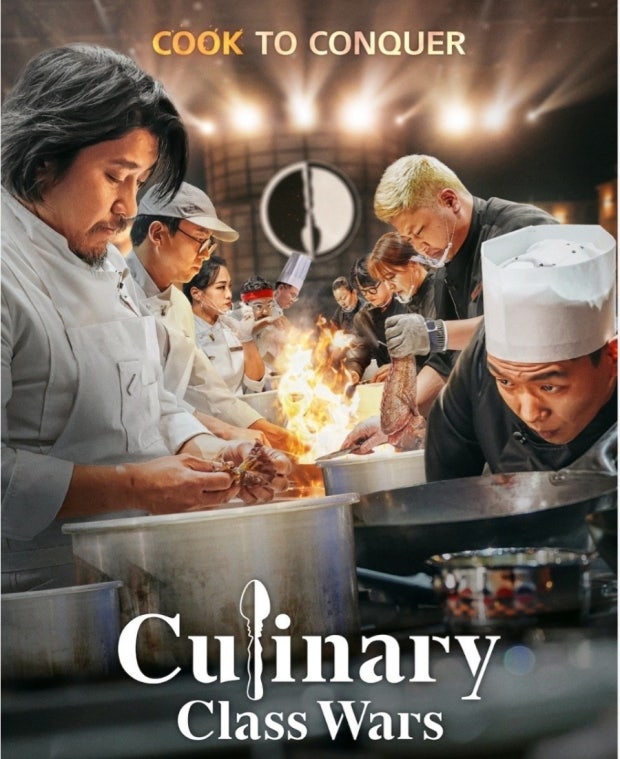
Chef Jang Ho-jun appeared as a ‘White Spoon’,
part of the elite group of 20 established chefs
—on Season 1 of the hit Netflix series, ‘Culinary Class Wars‘
He now serves as the CEO of Negi,
overseeing a diverse collection of Japanese-inspired restaurants
that span the spectrum from relaxed bistros to elite fine dining.
| Restaurant | Main Menu | Price Range | Location |
|---|---|---|---|
| Negi Live | Lunch course 150,000 KRW / Snow crab dinner 270,000 KRW / King crab dinner 380,000 KRW | ₩₩₩₩ | Seongsu |
| Negi Sukiyaki | Sukiyaki & Shabu-shabu course | ₩₩ | Apgujeong |
| Modern Odeng | Mentaiko cream salad 10,000 / Menbosha 12,000 / Fish cake from 3,000 KRW | ₩ | Sinsa-dong |
| Cavistre | Pintxos omakase 95,000 KRW | ₩₩₩ | Apgujeong |
Negi Sukiyaki Seoul
Location & Practical Info
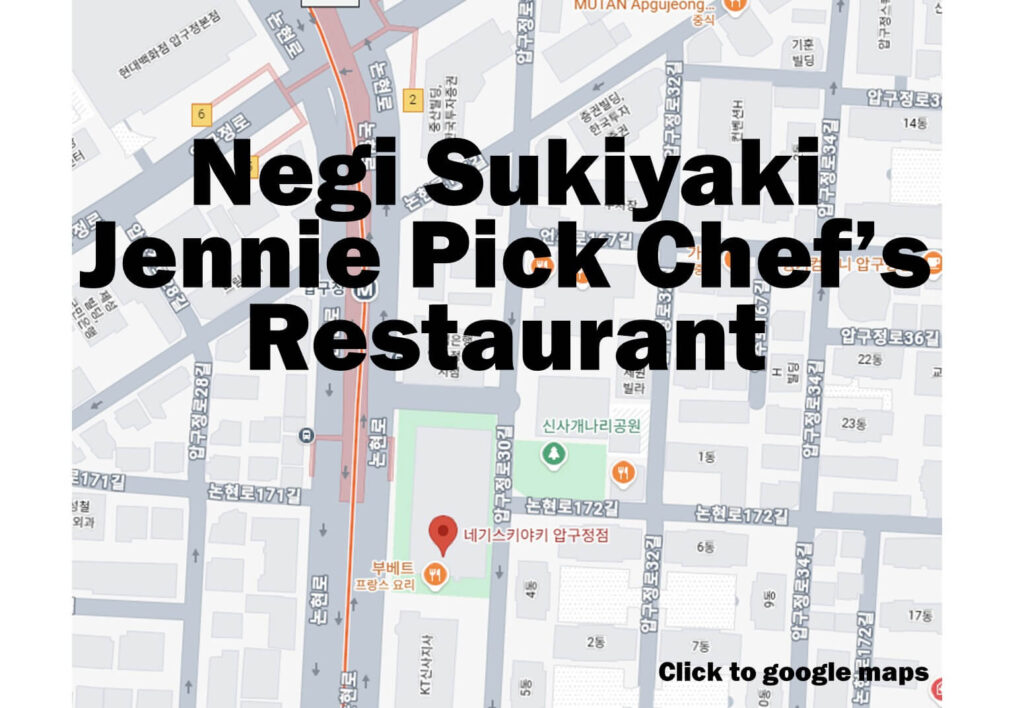
📍 B1F, Andaz Seoul Gangnam, 854 Nonhyeon-ro,
Gangnam-gu, Seoul
🚇 Seoul Subway Line 3, Apgujeong Station,
Exit 3 — approximately 5 minutes on foot
🕐 Lunch: 11:30–15:00 / Dinner: 17:30–22:00
📋 Reservations via Catch Table app
(available in English)
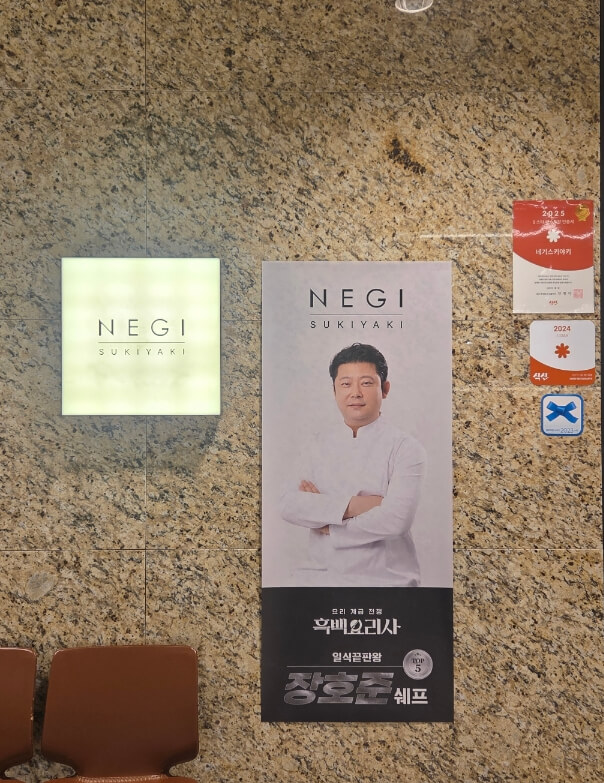
When you walk in, the first thing
you’ll notice is a large photo of Chef Jang Ho-jun
from his Culinary Class Wars appearance,
mounted at the entrance.
Negi Sukiyaki Seoul Menu
— Focused and Unfussy
Negi Sukiyaki keeps the menu intentionally narrow.
The focus is sukiyaki and shabu-shabu,
with a small selection of à la carte dishes alongside.
Here’s how ordering works:
1) you pick either sukiyaki or shabu-shabu for the course,
2) choose your meal finish
– tomato course: ends with pasta
– original course: ends with donburi rice bowl
3) choose between Korean Hanwoo beef (2++ grade)
or US Salchichon.
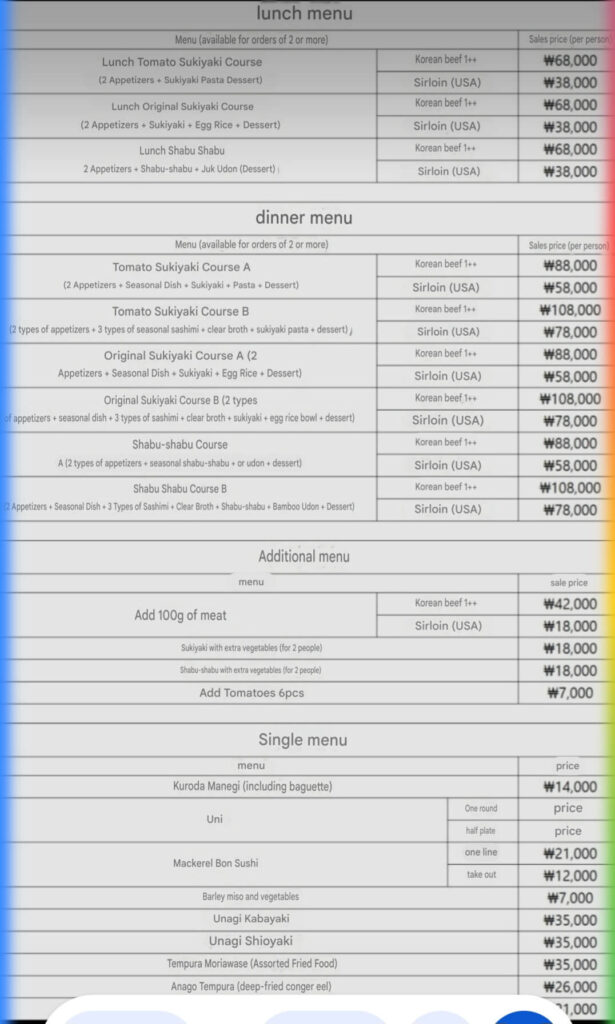
Minimum order is 2 people.
Lunch and weekend pricing are the same
— no weekend surcharge.
My personal go-to is the lunch original sukiyaki course with US beef.
Shabu-shabu is widely available at chain restaurants in Seoul
with unlimited salad bars
the sukiyaki here is the reason to come.
Sukiyaki Lunch Course
1) Starter
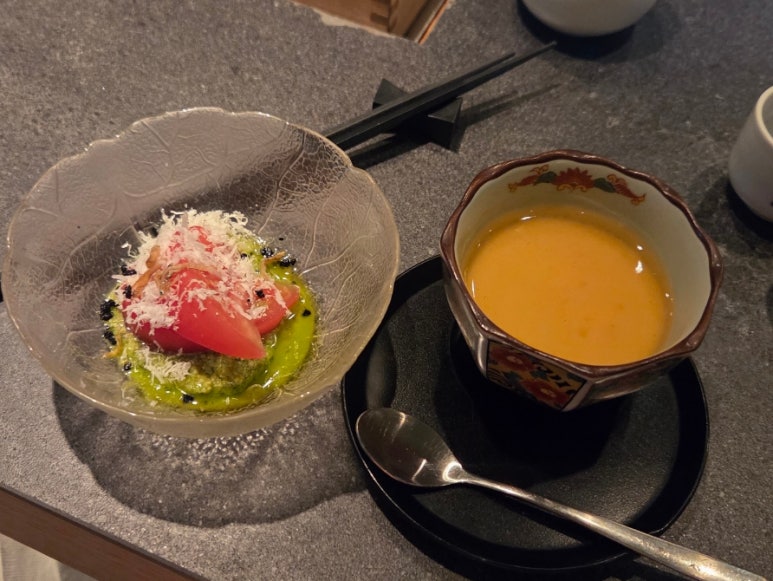
Two appetizers come before the main:
tomato basil salad and chawanmushi
(steamed egg custard).
The salad is bright and acidic
good for resetting your palate.
The chawanmushi has none of the eggy smell
that puts some people off,
and the texture is closer to silken tofu
than a typical steamed egg.
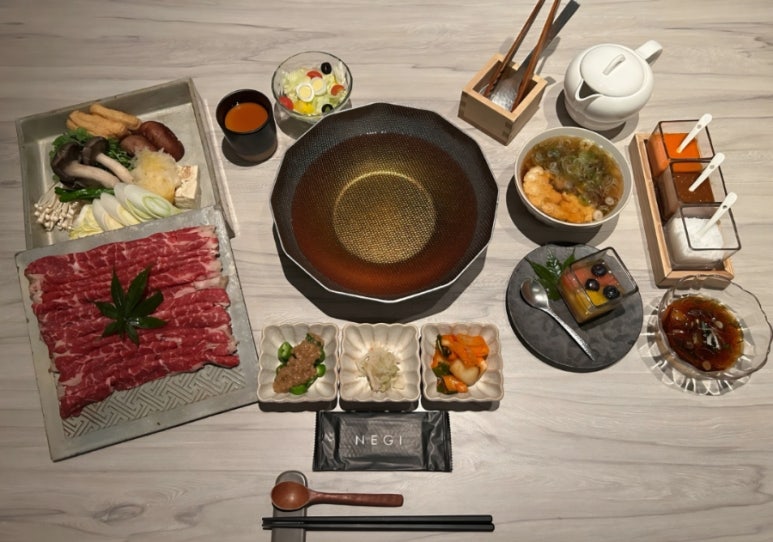
2) Main Sukiyaki
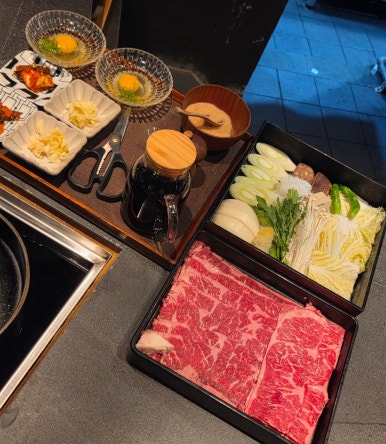
For two people, the volume of meat
and vegetables is genuinely generous.
The egg sauce and basic side dishes are refillable.
A staff member cooks the first round tableside
— after that, you’re on your own.
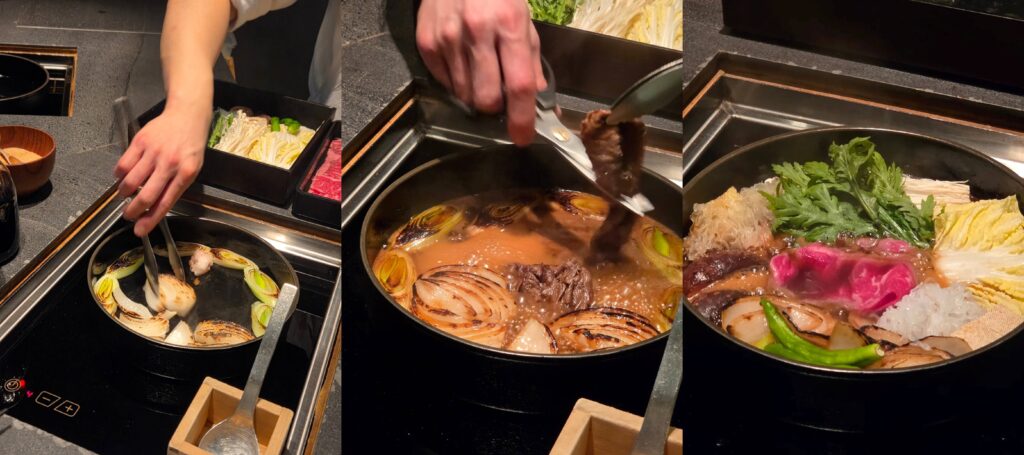
The meat is tender enough that scissors aren’t needed.
For two people who eat on the lighter side,
the course is filling enough that
you may not need to finish the rice bowl at the end.
3) Original Course Finish
— Donburi
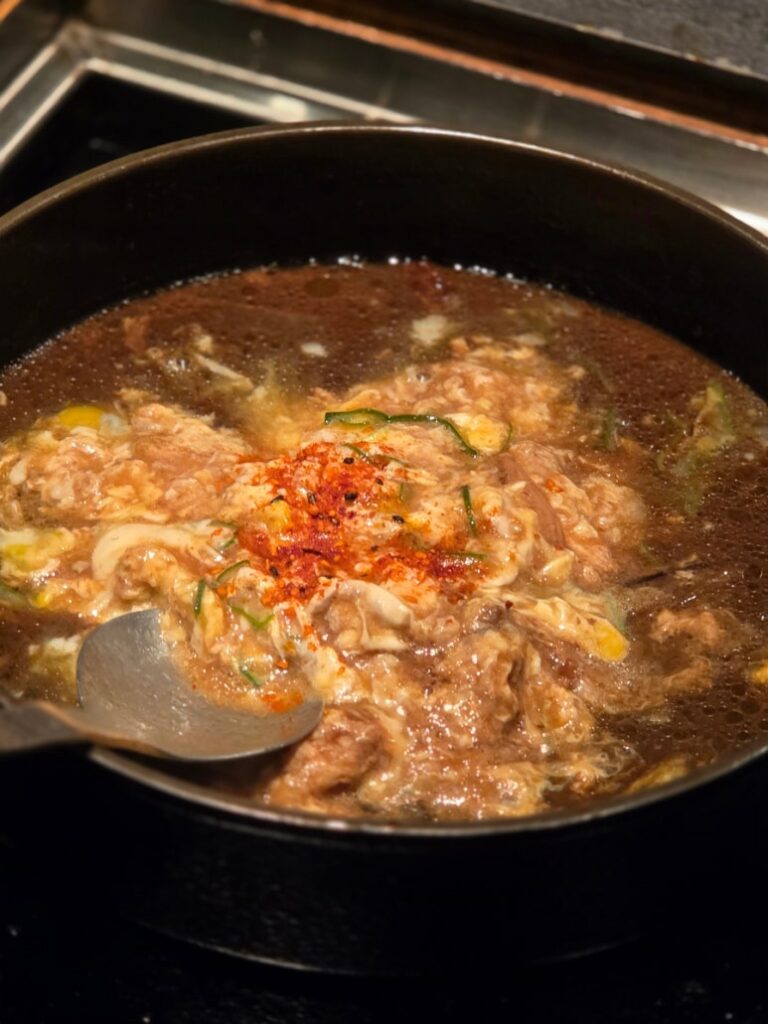
The original course ends with a donburi:
fluffy scrambled egg over white rice,
with a sweet soy-based sauce.
It’s simple and satisfying. T
he tomato course alternative ends with pasta instead
— pick based on what you’d rather have after a full sukiyaki.
4)Dessert
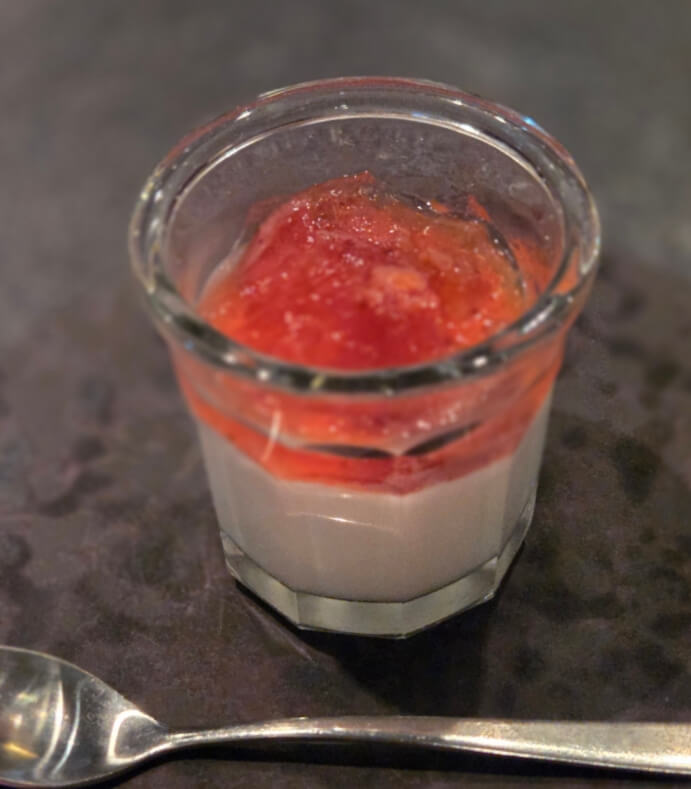
A grapefruit jelly on top of yogurt.
Sounds unassuming
It was better than expected,
and I finished it even after already being full.
Kuro Tamanegi (14,000 KRW)
:Charred Onion with Miso Cream
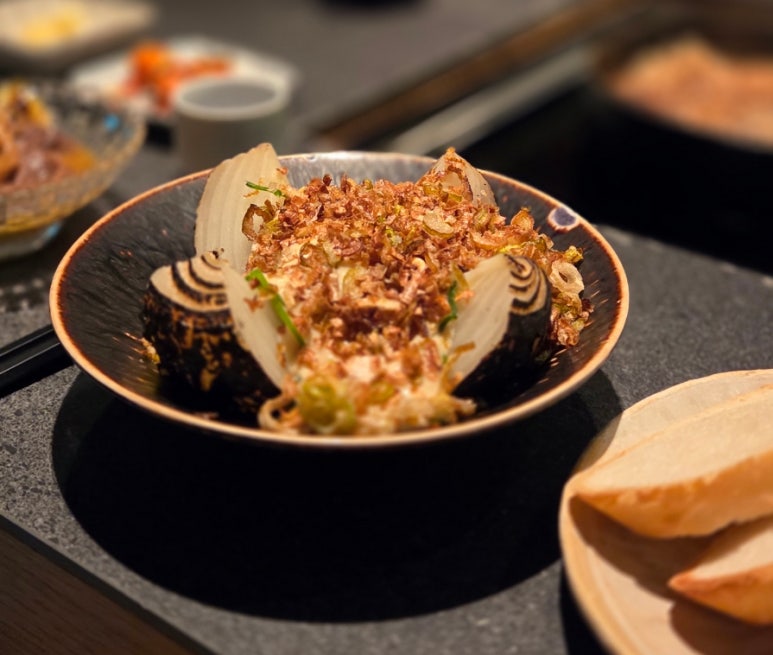
Every single table orders this.
A whole onion charred on the outside,
served with miso cream sauce and green onion,
alongside a slice of baguette.
Negi literally means “onion” in Japanese
this dish is the restaurant’s statement of intent.
Order it.
Negi Sukiyaki Seoul-Seating
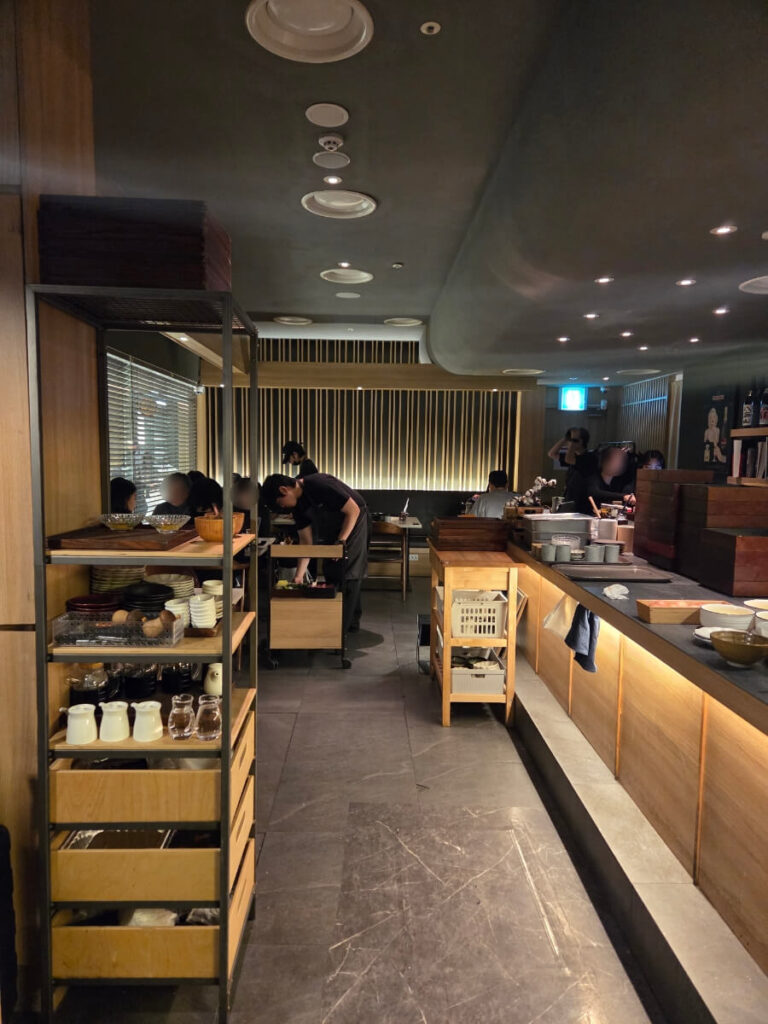
Not a large restaurant, but it doesn’t feel cramped.
There are private rooms, regular table seats,
and bar counter seats. Pick based on your group and purpose:
One seating note:
I sat at the bar counter on this visit,
which put me a bit far from the induction cooktop.
The table seats are more practical
for the actual cooking.
The bar is worth it if you want to watch
the kitchen in action
it’s an open kitchen setup,
and the prep and plating process is all visible from the counter.
Watching how carefully the ingredients are handled
tells you something about
why Jennie recommend this chef’s restaurants.
Final Verdict — Is Negi Sukiyaki Worth It?
✔ Recommended for small gatherings or family meals
✔ Come hungry — the portions are substantial
✔ The US beef lunch course is the best value on the menu
The food alone is reason enough to visit.
But if you’ve watched Culinary Class Wars
or followed Jennie’s dining choices,
there’s also the satisfaction of understanding
first-hand why this chef earned that level of attention
It shows in the ingredients,
in how the kitchen runs,
and in the fact that the meal holds up
even when you’re not thinking about any of that.
Negi Sukiyaki is one of four
Culinary Class Wars chef restaurants
I’ve reviewed in Seoul.
For the complete guide
— including Myeon Seoul, Izakaya Kaden, and Yojeong Yeouido
head here: https://koreaandbeyond.com/culinary-class-wars-restaurants-in-seoul/